Prebiotic Foods: A Simple Daily Habit for Gut Health
By:Author:Liver Detox Editorial
Updated on:October 18, 2026
- How to Start Adding Prebiotic Foods This Week
- How Much Prebiotic Food You Actually Need Daily
- Fitting Prebiotic Foods Into a Normal Week
- A Four-Week Starting Point for Prebiotic Eating
- When Prebiotic Eating Habits Usually Fade
- Mistakes That Undo a Prebiotic Eating Habit
- Building Prebiotic Habits Alongside Liver Detox
- Making Prebiotic Foods Part of Your Everyday Plate
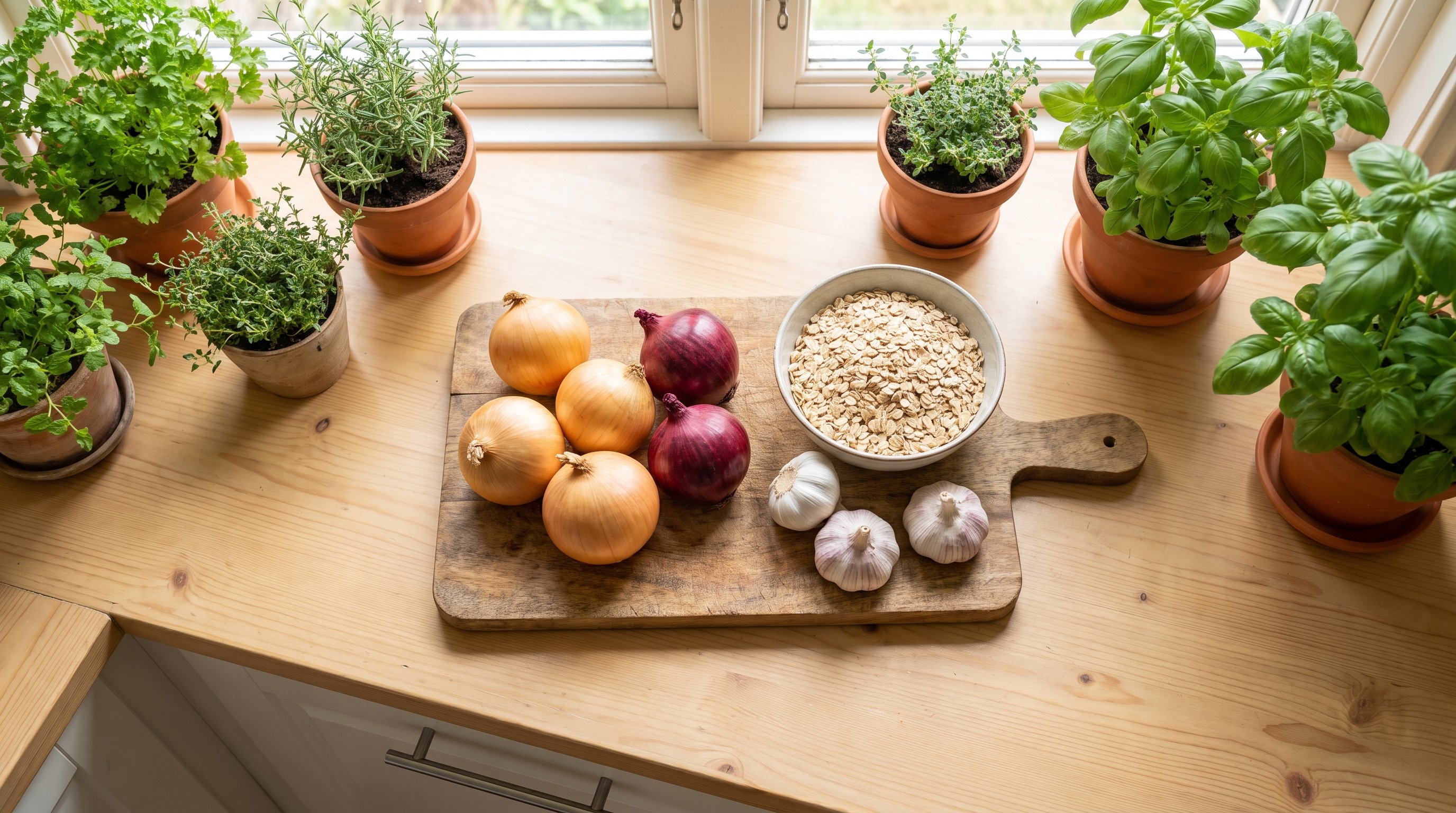
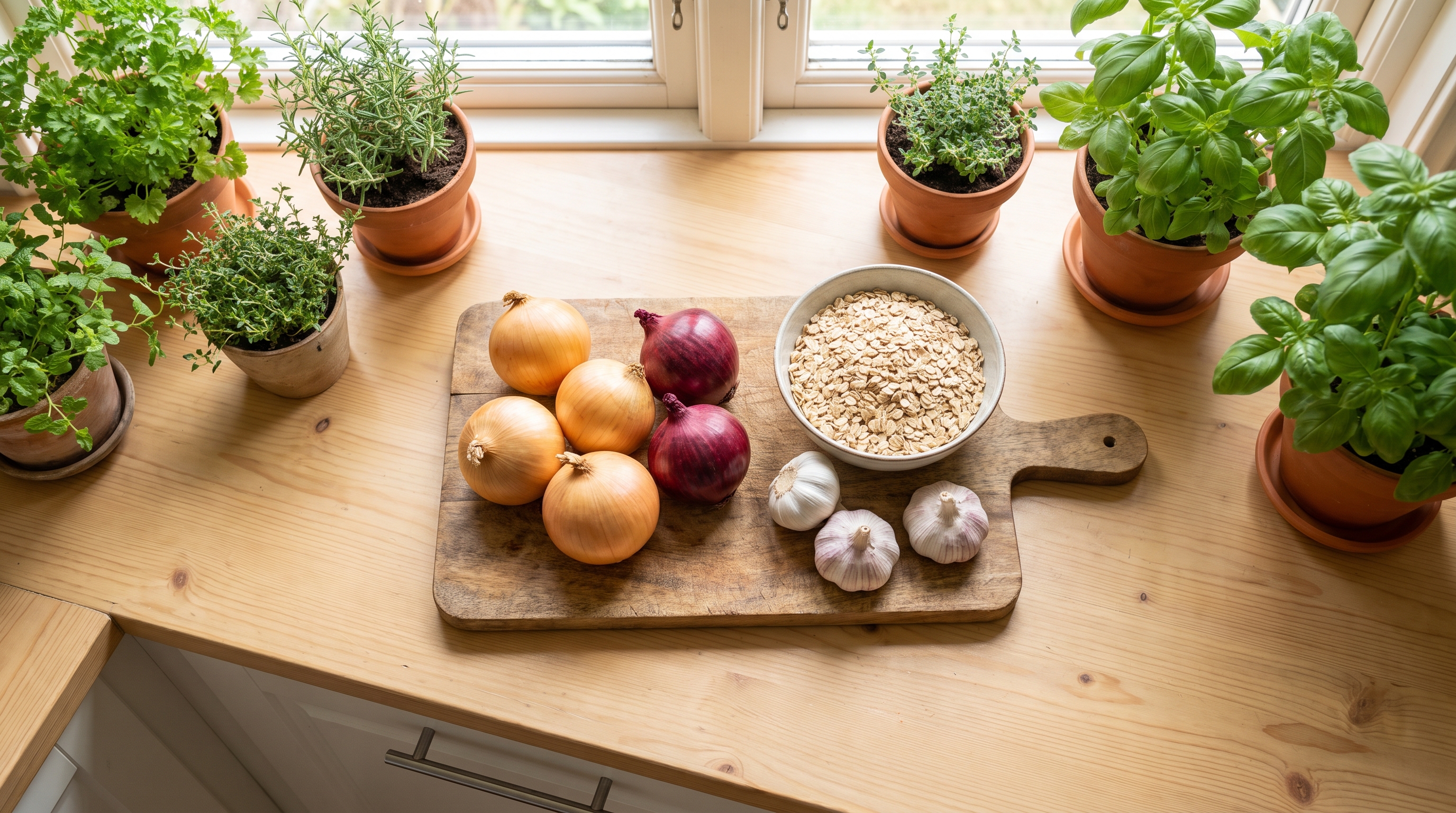
Prebiotic foods are plant foods containing fibres that feed the bacteria already living in your gut, rather than adding new bacteria the way fermented foods do. Think onions, garlic, oats, bananas, beans and leeks - ordinary ingredients that show up in meals you probably already cook.
The mechanism is simple: your gut bacteria ferment these fibres, and that fermentation process is linked to digestion, regularity and how settled your stomach feels day to day. No single food does anything dramatic on its own - it's the pattern over time that matters.
This guide covers how to add these foods step by step, how much is reasonable to aim for, a four-week way to ease in, and the mistakes that usually stall people before the habit sticks.
How to Start Adding Prebiotic Foods This Week
Adding these fibre-rich ingredients doesn't mean overhauling every meal. A gradual, structured approach avoids the bloating that can come from jumping in too fast.
A Simple Way to Build the Habit
- Start with one meal a day - add a small portion of onion, garlic or leek to something you already cook, like a stir-fry or soup.
- Swap one refined grain for a whole one - try oats instead of a sugary cereal, or brown rice instead of white.
- Add a daily banana or apple with the skin on - both carry fibre that feeds gut bacteria without needing any prep.
- Work beans or lentils into two meals a week - a handful in a salad or stew counts.
- Increase slowly over two to three weeks - this gives your digestion time to adjust rather than reacting all at once.
- Pair with water - fibre needs fluid to move through your system comfortably.
- Track how you feel, not just what you eat - note bloating, energy or regularity changes as you go.
How Much Prebiotic Food You Actually Need Daily
A Realistic Daily Target
There's no single magic number, but a workable approach is to include gut-supporting fibre sources at two to three meals a day rather than trying to hit a precise gram count. Consistency across the week counts for more than any one meal being perfect.

The table below gives a rough sense of portion sizes that fit easily into normal meals.
| Food | Typical Portion | When to Add It |
|---|---|---|
| Garlic | 1 to 2 cloves | Cooked into sauces or stir-fries |
| Onion or leek | Half a cup chopped | Soups, stews, roasted sides |
| Oats | Half a cup dry | Breakfast porridge |
| Bananas | One medium, slightly underripe | Snack or breakfast addition |
| Beans or lentils | Half a cup cooked | Salads, stews, two to three times weekly |
Fitting Prebiotic Foods Into a Normal Week
Most weeks are a mix of rushed mornings, packed lunches and whatever dinner is fastest. The trick isn't finding extra time for these ingredients - it's choosing versions of meals you already make.
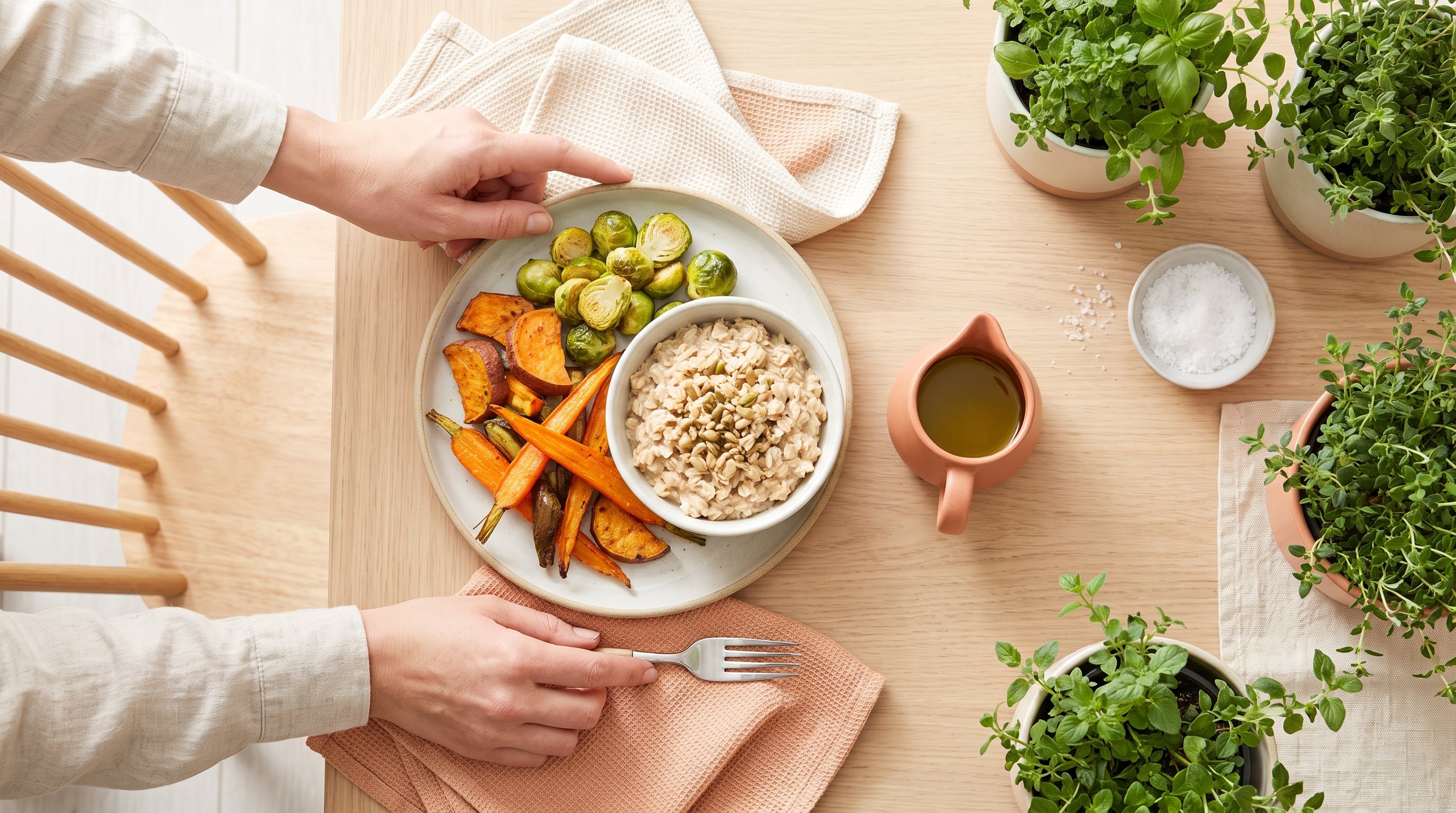
Garlic and onion go into almost any savoury dish without extra steps. Oats replace a cereal bowl in the same two minutes. Beans can be tipped straight from a tin into a salad or soup, no soaking required.
This is where a structured plan helps more than good intentions alone. Liver Detox builds a meal plan around food you already like, so these swaps happen automatically instead of relying on you remembering them every day.
A Four-Week Starting Point for Prebiotic Eating
This isn't about getting every detail right from day one. It's about building the habit in a sequence that your digestion can handle.
| Stage | Focus |
|---|---|
| Week 1 | Add garlic or onion to one meal a day |
| Week 2 | Swap breakfast to oats most mornings |
| Week 3 | Add beans or lentils to two meals a week |
| Week 4 | Include a banana or apple with skin daily |
When Prebiotic Eating Habits Usually Fade
The first week or two often feels easy because the novelty carries you. The drop-off tends to happen once the shopping list reverts to old habits and the extra ingredients run out.
Expect some bloating in the early stages if you increase fibre too fast - that usually settles as your gut adjusts, and easing in gradually helps avoid it altogether.
Be vague about exactly when things feel different, because it varies person to person. What's consistent is that the habit holds better when it's built into meals you already repeat, not treated as a separate task.
Mistakes That Undo a Prebiotic Eating Habit
Adding Too Much Fibre Too Fast
Jumping from almost no gut-supporting fibres to large portions of beans and onions in one day often causes bloating. Build up over two to three weeks instead.
Relying on One Food Only
Eating garlic every day but ignoring oats, beans and fruit limits the variety of fibres reaching your gut bacteria. Rotate a few different sources across the week.
Forgetting Water
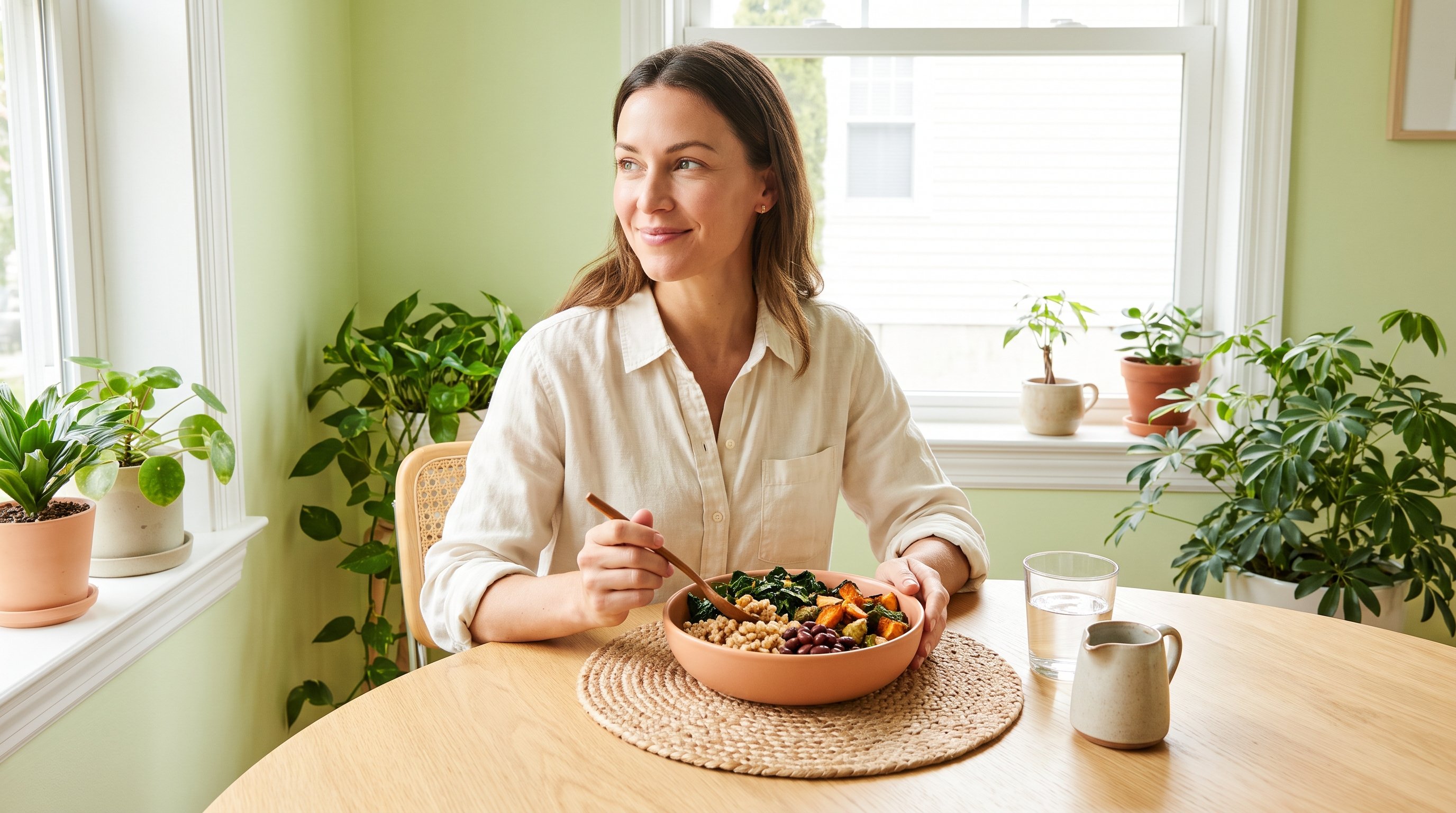
Fibre without enough fluid can make digestion feel sluggish rather than smoother. Keep a glass of water nearby at meals where you've added fibre-rich foods.
Treating It As a Short-Term Fix
These foods aren't a quick switch you flip for a few days and then drop. The benefit comes from the pattern repeating across weeks and months.
Skipping Meals Where It Would Fit Easiest
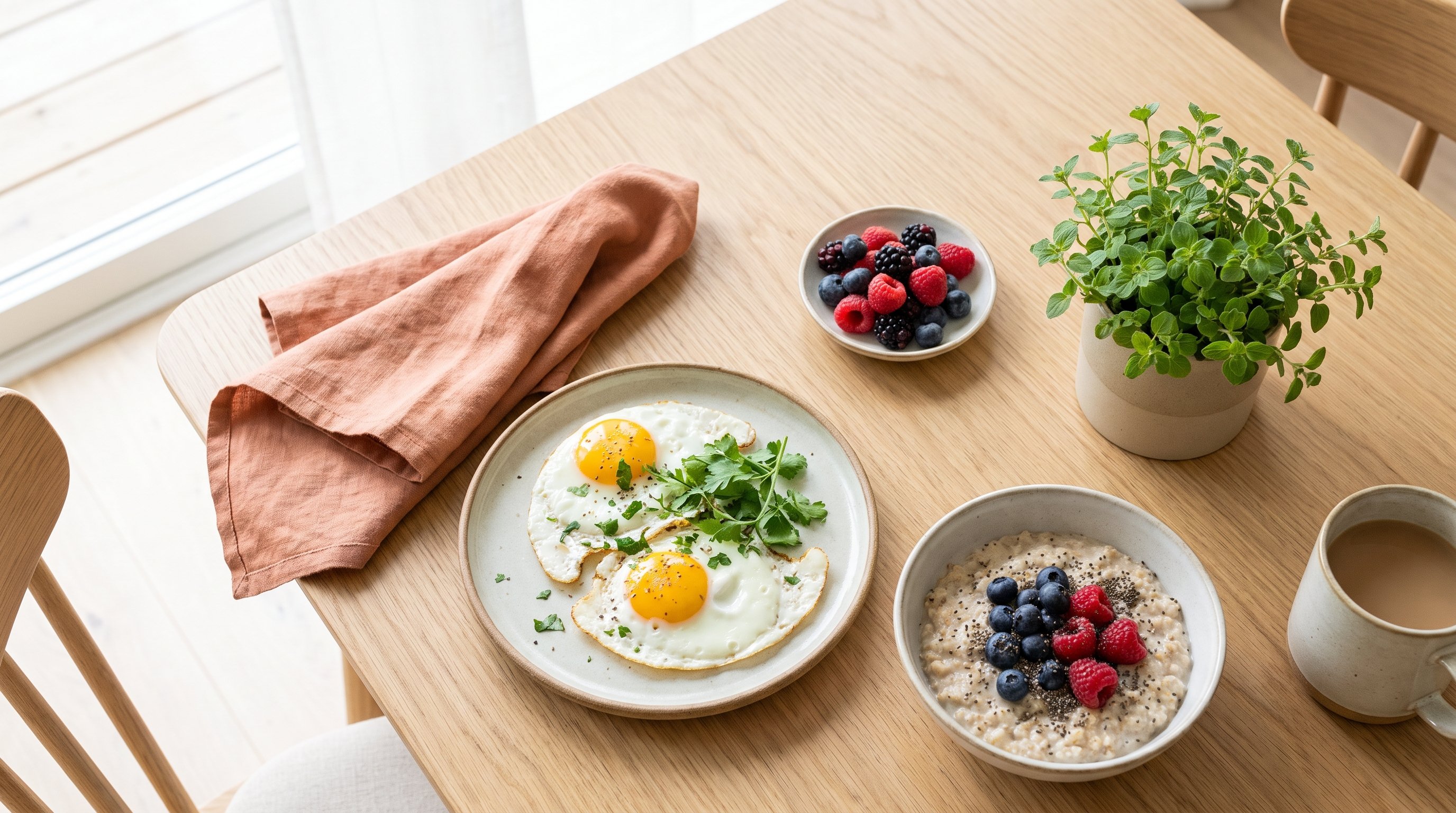
Breakfast is often the simplest place to add oats or fruit, yet it's the meal people skip when rushed. Prepping oats the night before removes that excuse.
Building Prebiotic Habits Alongside Liver Detox
None of this needs to be complicated, but remembering to add garlic, oats or beans to the right meal every single day is where most people lose steam.
Liver Detox takes that decision off your plate with a customized nutrition plan that already works these foods into meals you'd choose anyway, alongside light exercises, trackers for water and weight, and guides written to make the habit easier to keep.
Fix Your Liver
Eat Clean Every Day
Making Prebiotic Foods Part of Your Everyday Plate
The simplest place to start is tonight's dinner - add an extra handful of onion, garlic or leek to whatever you're already cooking. Small repeated swaps like this build the pattern far better than one perfect meal ever could.
Liver Detox can help keep that pattern going by building these foods into a plan you follow rather than one you have to remember on your own.
FAQ
The fibres in foods like garlic, onions and oats feed gut bacteria through fermentation, which is linked to digestion and regularity. The effect builds gradually through consistent eating rather than from any single meal.
No single food causes weight loss, and there's no way to target fat loss in a specific area of the body. Fibre-rich plant foods support digestion and fit naturally into a varied, balanced way of eating.
Bloating usually comes from adding too much fibre too quickly, not from the foods themselves being a problem. Easing in slowly over a few weeks, with plenty of water, tends to reduce this.
Build the swaps into meals you already repeat each week instead of treating them as extra tasks. Liver Detox can structure this for you with a meal plan that keeps these ingredients in rotation without extra planning on your part.
Share this post