Morning Stretches: A Gentle Wake-Up Routine That Sticks
By:Author:Liver Detox Editorial
Updated on:October 18, 2026

- Building a Morning Stretch Routine Step by Step
- How Long a Morning Stretch Session Should Take
- Fitting Morning Stretches Around a Busy Schedule
- A Starter Plan for Your First Week of Stretching
- When Morning Stretching Habits Usually Fall Apart
- Mistakes That Quietly Undo a Stretching Routine
- Making Morning Stretches Part of a Liver Detox Routine
- Starting Tomorrow Morning With a Short Stretch
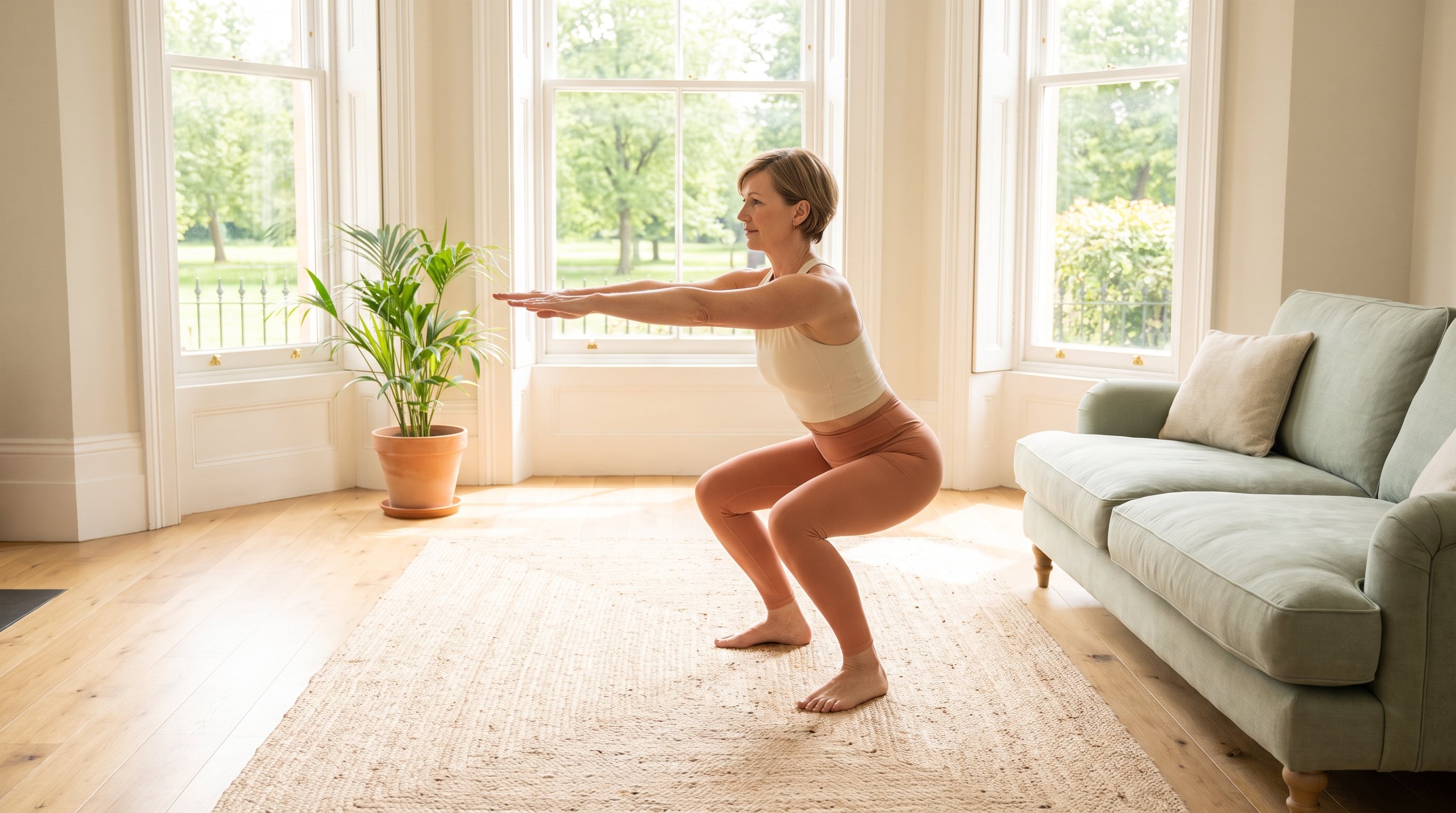
Morning stretches work by easing stiff joints and tight muscles after hours of staying still, which is why the first few steps out of bed often feel the roughest. A short stretching routine loosens connective tissue and gets blood moving to muscles that have been idle all night, so movement feels less effortful within minutes.
This isn't about burning calories or targeting any one body part - stretching simply prepares the body to move well for the rest of the day. The benefit is comfort and ease of motion, not weight change.
This guide covers how many stretches to do, how a week of it might look, where people usually drop the habit, and the mistakes worth skipping entirely.
Building a Morning Stretch Routine Step by Step
A morning stretch routine doesn't need equipment, a mat, or much space. It just needs a sequence you can repeat without thinking too hard about it.

A Simple Sequence to Follow
- Sit up and roll the shoulders - a few slow circles forward and back to loosen the upper back before you even stand.
- Stand and reach overhead - stretch both arms up, lengthen through the sides of the body, and breathe out as you lower.
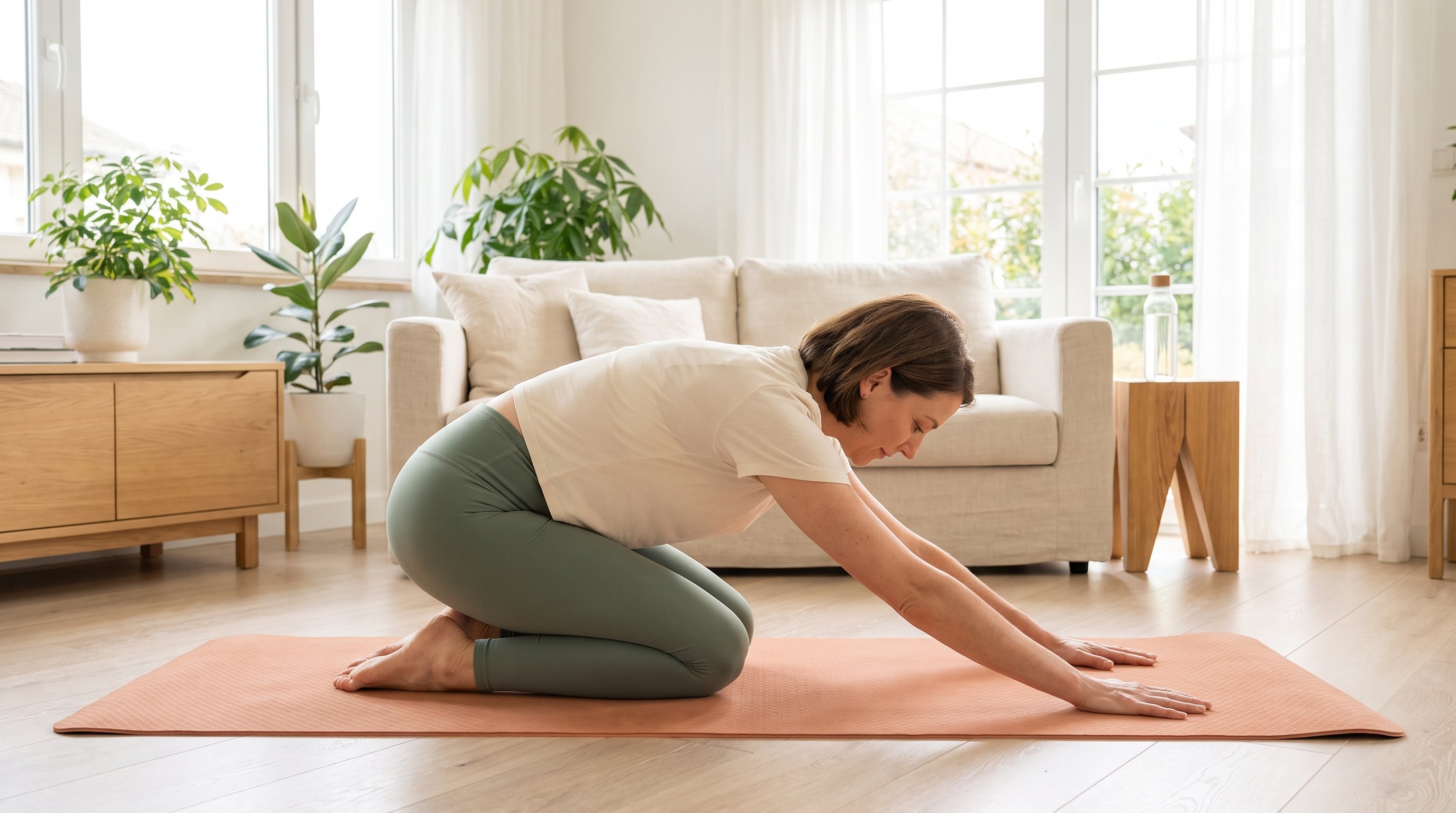
- Fold forward gently - let the head and arms hang toward the floor, knees soft, to release the lower back and hamstrings.
- Twist through the spine - hands on hips, rotate gently side to side to wake up the midsection without forcing the range.
- Stretch the hip flexors - step one foot forward into a gentle lunge position, holding each side for a few breaths.
- Roll the ankles and wrists - small circles in both directions to loosen the joints furthest from the centre of the body.
- Finish with a few deep breaths - standing tall, shoulders relaxed, signalling to the body that the stretch sequence is done.
Run through the list in order or swap the sequence around - the point is covering shoulders, spine, hips and ankles before the day properly starts.
How Long a Morning Stretch Session Should Take
Morning stretches don't need to be long to be worth doing. A few minutes, done consistently, matters more than one long session done occasionally.
What a Workable Amount Looks Like
Five to ten minutes covers a full-body sequence without eating into the rest of the morning.
| Goal | Duration | Frequency |
|---|---|---|
| Quick wake-up | 2 to 3 minutes | Every morning |
| Full routine | 5 to 10 minutes | Most mornings |
| Stiff mornings | 10 to 15 minutes | As needed |
| Rest or travel days | 1 to 2 minutes | Whenever possible |
Fitting Morning Stretches Around a Busy Schedule
The hardest part of any morning routine isn't the movement itself - it's remembering to do it before the day takes over. Attaching stretches to something already fixed, like brushing teeth or the kettle boiling, removes the need to decide each day.

A busy week doesn't need to mean skipping the habit altogether - shortening it to two or three moves still counts. Liver Detox includes light exercises alongside its meal and progress tracking, so stretching can sit inside the same short daily routine instead of becoming one more thing to remember separately.
Keeping the sequence short and attached to an existing habit is what makes it survive a packed calendar.
A Starter Plan for Your First Week of Stretching
The order below matters more than hitting a perfect number of minutes each day. It builds from short and easy to a fuller routine so the habit has time to settle.
| Stage | Focus |
|---|---|
| Week 1 | Two minutes, shoulders and spine only |
| Week 2 | Add hip flexor and hamstring stretches |
| Week 3 | Full five to ten minute sequence |
| Week 4 | Attach routine to a fixed daily cue |
When Morning Stretching Habits Usually Fall Apart
The first week or two usually feels easy because the routine is still novel. The drop-off tends to show up once mornings get rushed again and stretching feels like the first thing worth cutting.
There's no fixed point where stretching suddenly feels different - some mornings will feel looser sooner, others will take longer to notice any change at all.
What tends to keep the habit alive past that drop-off point is keeping the routine short enough that skipping it feels like more effort than just doing it.
Mistakes That Quietly Undo a Stretching Routine
Stretching Cold and Forcing the Range
Pushing into a deep stretch before the body has warmed up at all tends to feel worse, not better. Move gently into each position first and only go deeper once it feels easy.
Making the Routine Too Long to Start
A fifteen-minute sequence sounds good on paper but rarely survives a rushed Tuesday. Starting with two or three moves keeps the habit realistic enough to repeat.
Holding the Breath Through Each Stretch
Tensing up and holding the breath works against the point of stretching, which is to release tension. Slow, steady breathing through each hold helps muscles actually let go.
Expecting It to Replace Other Movement
Stretching loosens the body but it isn't a substitute for walking, strength work or any other activity. Treat it as a warm-up to the day, not the whole plan.
Skipping It the Moment the Routine Breaks
Missing a few mornings doesn't mean starting over from nothing. Picking the sequence back up the next day matters more than any missed streak.
Making Morning Stretches Part of a Liver Detox Routine
Stretching is a small habit, but small habits are easier to hold onto when they sit inside a wider routine instead of standing alone.
Liver Detox pairs light exercises with meal plans, trackers and daily challenges, so a short morning stretch can sit next to water and step tracking in the same place instead of being one more app or note to remember. Seeing it logged alongside everything else tends to make the habit easier to keep going.

Fix Your Liver
Eat Clean Every Day
Starting Tomorrow Morning With a Short Stretch
The simplest way to start is picking three moves from the sequence above and doing them before checking a phone or making coffee. Nothing about it needs to be perfect to count.
If keeping track of a morning routine alongside everything else feels like extra effort, Liver Detox keeps light exercises, trackers and daily habits in one place so stretching doesn't need to be the thing you remember on your own.
FAQ
Stretching loosens muscles and joints but it doesn't create a calorie deficit on its own. Weight change comes from overall eating and activity patterns, with stretching playing a supporting role in how comfortable movement feels.
Both have a place - morning stretching eases overnight stiffness, while evening stretching can help the body wind down. Either works, so the better time is whichever one actually gets done consistently.
A shortened two-minute version covering shoulders and spine still counts and is far better than skipping it entirely. Keeping the bar low on busy days is what keeps the habit alive long term.
Morning stretches work well alongside light exercise, hydration and consistent meals rather than as a routine on their own. Liver Detox brings those pieces together in one place, which makes it easier to keep a short stretch habit going alongside everything else.
Share this post