Beginner Home Workout: A Guide That Fits Real Life
By:Author:Liver Detox Editorial
Updated on:October 18, 2026

- Setting Up Your First Home Workout
- How Many Sessions a Beginner Actually Needs
- Making a Home Workout Work Around a Full Day
- A Four-Week Starter Plan for Home Training
- When Beginner Routines Usually Fall Apart
- Mistakes That Undo a New Home Routine
- Letting Liver Detox Guide Your Home Workout
- Starting Your First Home Session This Week
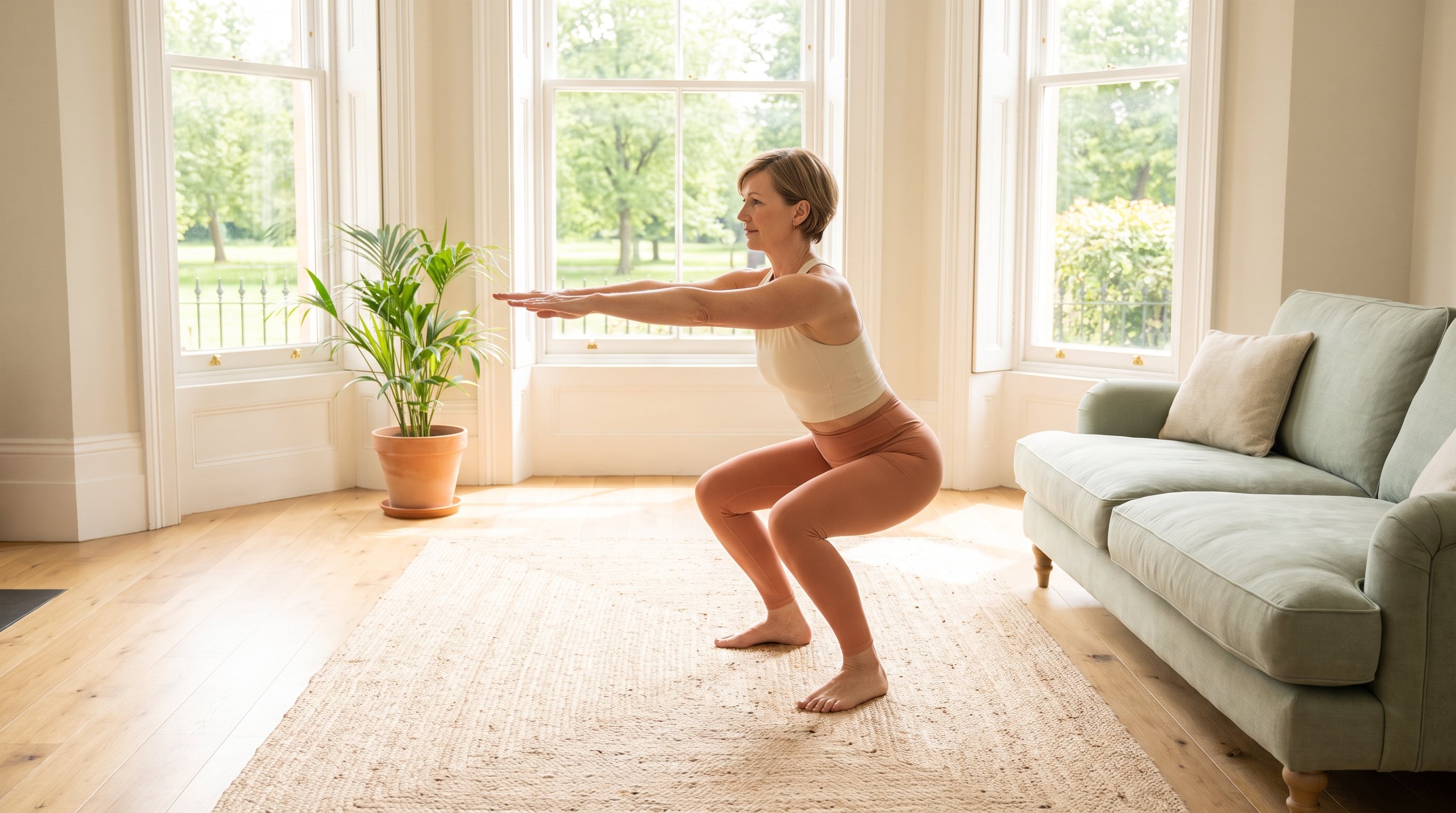
A beginner home workout needs three things to actually work: a small set of moves you repeat, a schedule you can hold for a month, and no equipment excuse standing in the way. Bodyweight squats, push-ups against a wall or floor, and short standing intervals cover most of what a first routine needs.
The mechanism is simple. Muscles respond to being asked to work a little harder than usual, and that can happen with your own bodyweight just as well as it can with a gym machine, especially when you are starting from zero.
This guide covers the steps to set one up, how often to train, a four-week starter plan, where people usually lose momentum, and the mistakes that quietly derail a first attempt at home.
Setting Up Your First Home Workout
You don't need a plan with twenty exercises. You need five or six that cover the main movements your body makes every day, and a space to do them in.
Steps to Build a Beginner Routine
- Clear a small space - about two metres by two metres is enough for squats, lunges and floor work.
- Pick one move per movement pattern - a squat, a push, a hinge (like a glute bridge), and a core move.
- Set a time, not a mood - decide the day and hour in advance so it isn't left to how you feel.
- Start with time, not reps - 30 seconds of work, 30 seconds of rest, repeated for each move.
- Warm up for two minutes - marching on the spot or gentle arm circles gets the body ready.
- Cool down and stretch briefly - a minute or two of stretching after finishing settles the session.
- Write down what you did - even a one-line note helps you see the pattern building.
None of this needs to look impressive. It needs to be repeatable, which matters more than intensity in the first few weeks.
How Many Sessions a Beginner Actually Needs
Three sessions a week is a reasonable starting point for most beginners, spaced out so the body gets a day to recover between them.
Why Spacing Matters More Than Frequency
Muscles adapt in the rest period, not during the workout itself. Training the same muscles every single day without a break usually leads to tiredness rather than progress.
| Stage | Sessions | Length |
|---|---|---|
| First two weeks | 2-3 per week | 15-20 minutes |
| Weeks three to six | 3 per week | 20-25 minutes |
| Ongoing | 3-4 per week | 25-30 minutes |
| Rest days | At least 1 between sessions | Light walking is fine |
Making a Home Workout Work Around a Full Day
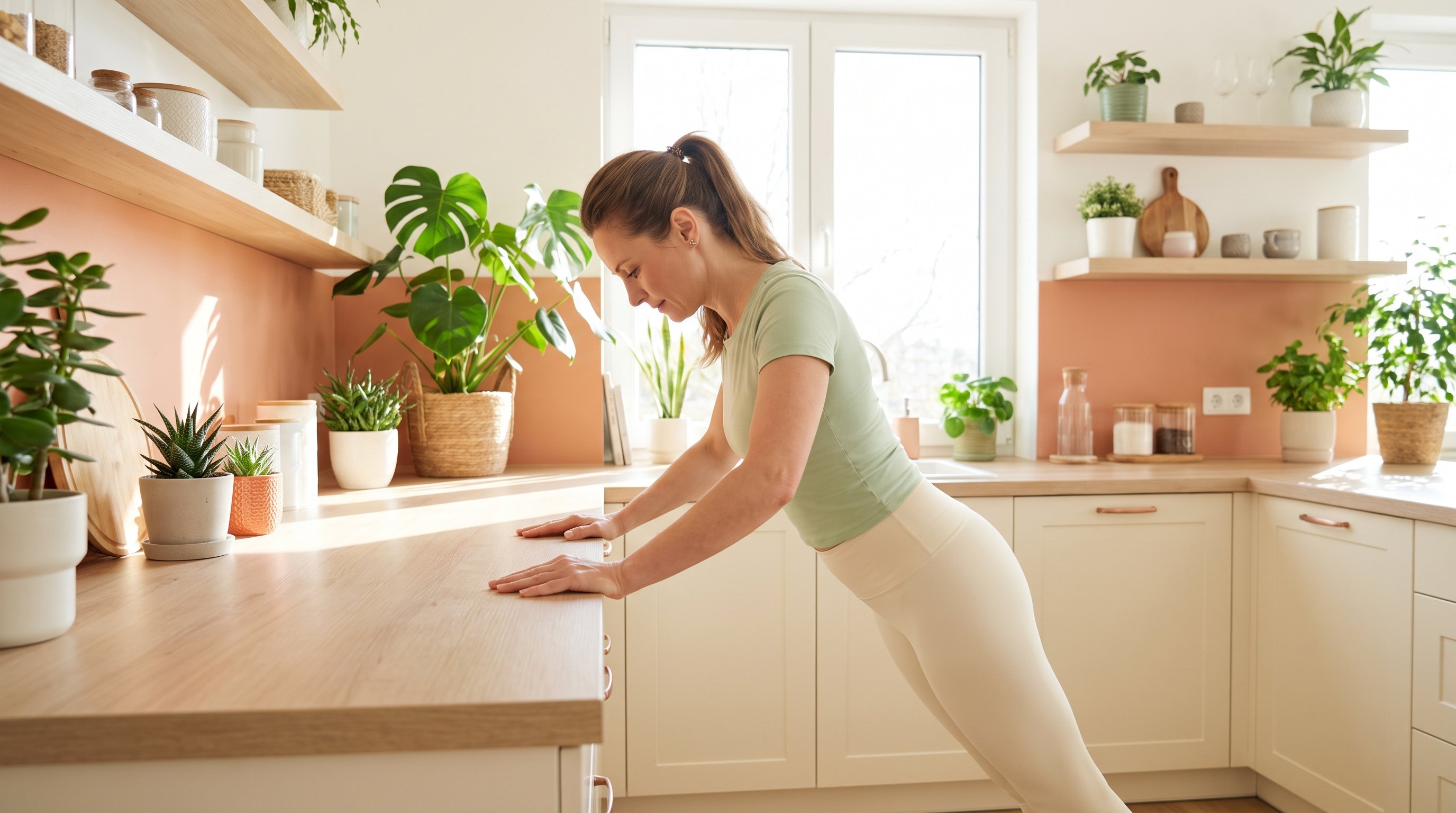
The routines that stick are the ones squeezed into gaps that already exist, not the ones that demand a new hour carved out of a packed day.
A session before the shower, during a lunch break, or while something is in the oven all count. Twenty minutes done consistently beats an hour that only happens once.
This is where the wider picture matters too, because movement alone can only do so much if everything else about the day is working against it. Liver Detox pairs its light exercise routines with a meal plan built around food you already like, so the eating side isn't fighting the moving side.
Keeping steps, water and weight in one place also makes it easier to see that a twenty-minute home session is actually part of a pattern, not a one-off.
A Four-Week Starter Plan for Home Training
The order below matters more than the exact numbers. Build the habit first, then let the effort grow once the routine is familiar.
| Stage | What Changes |
|---|---|
| Week 1 | Learn the five moves, go easy |
| Week 2 | Add one more round per session |
| Week 3 | Shorten rest periods slightly |
| Week 4 | Add a fourth session if energy allows |
When Beginner Routines Usually Fall Apart
The first week or two often feels fine, because novelty does a lot of the work. The drop-off tends to show up once the new feeling wears off and the session starts competing with everything else on the calendar.
There's no fixed point this happens for everyone, but it's worth expecting a dip in motivation rather than being surprised by it. Treating that dip as normal, rather than a sign the routine has failed, is usually what gets people through to the other side.
Mistakes That Undo a New Home Routine
Starting With Too Much Too Soon
A punishing first session that leaves you sore for a week kills motivation fast. Keep the first few sessions easy enough that you want to come back.
Changing the Plan Every Few Days
Jumping between different routines found online means nothing gets repeated long enough to feel familiar. Stick with the same handful of moves for at least a few weeks.

Skipping Rest Days Entirely
Training sore muscles every day without a break usually slows progress rather than speeding it up. A rest day is part of the plan, not a day off from it.
Chasing a Smaller Waist or Flatter Stomach
No amount of home ab work targets fat in one area of the body. Overall movement and eating patterns affect the whole body together, not one spot.
Training Without Any Record
Without writing anything down, it's easy to forget how far things have come. A simple tracker showing sessions completed can be the difference between quitting and continuing.
Letting Liver Detox Guide Your Home Workout
Building a beginner home workout from scratch means guessing at order, timing and progression every single week. Liver Detox removes some of that guesswork by offering light, guided exercises designed to be done at your own pace, alongside trackers for steps, water and weight so you can see the pattern forming.
The app also includes lifestyle challenges and nutrition guides written by nutrition experts, personal trainers and psychologists, so the exercise side isn't working in isolation from everything else that affects how you feel day to day.

Fix Your Liver
Eat Clean Every Day
Starting Your First Home Session This Week
Pick a day in the next 48 hours, clear a small space, and run through the five basic moves for twenty minutes. That's the whole first step, nothing more complicated than that.
Liver Detox can sit alongside that first session as the place to log it, track how the week goes, and keep the next one from slipping off the calendar.
FAQ
Yes, bodyweight moves like squats, push-ups and lunges can challenge muscles enough to build strength, especially for someone just starting out. As the moves get easier, slowing them down or adding more rounds keeps the challenge going.
For a beginner, the main difference is equipment and variety, not whether the body responds. A home routine done consistently will beat an ideal gym plan that never gets started.
Most beginner moves need less than two square metres and no noise beyond footsteps. A hallway, a bedroom corner or even a kitchen floor is usually enough.
That dip is common and doesn't mean the routine has failed, it usually just means the novelty has worn off. Liver Detox's trackers and challenges give you something to check in with on the days motivation alone isn't enough.
Share this post