Low Impact Workout: A Guide That Fits Real Life
By:Author:Liver Detox Editorial
Updated on:October 18, 2026
- Setting Up a Low Impact Workout Routine
- How Many Low Impact Sessions You Actually Need
- Making a Low Impact Routine Work Around Your Week
- A Four-Week Low Impact Starter Plan
- When People Usually Lose Momentum
- Mistakes That Stall a Low Impact Routine
- Keeping a Low Impact Habit Going With Liver Detox
- Sticking With Gentle Movement Long Term
A low impact workout is any movement that keeps one foot on the ground at all times - think walking, cycling, swimming, or bodyweight strength moves done slowly and with control.
It works because joint stress drops while muscle effort stays the same, so you still build strength and burn energy without the pounding that comes from jumping or running.
This guide covers how to start, how often to train, a four-week plan, the mistakes that derail people, and where a little structure helps it all stick.
Setting Up a Low Impact Workout Routine
You don't need equipment or a gym membership to start - you need a clear order of operations so the first week doesn't fall apart.
How to Build Your Routine
- Pick three days to start - consistency beats frequency when you're new to this.
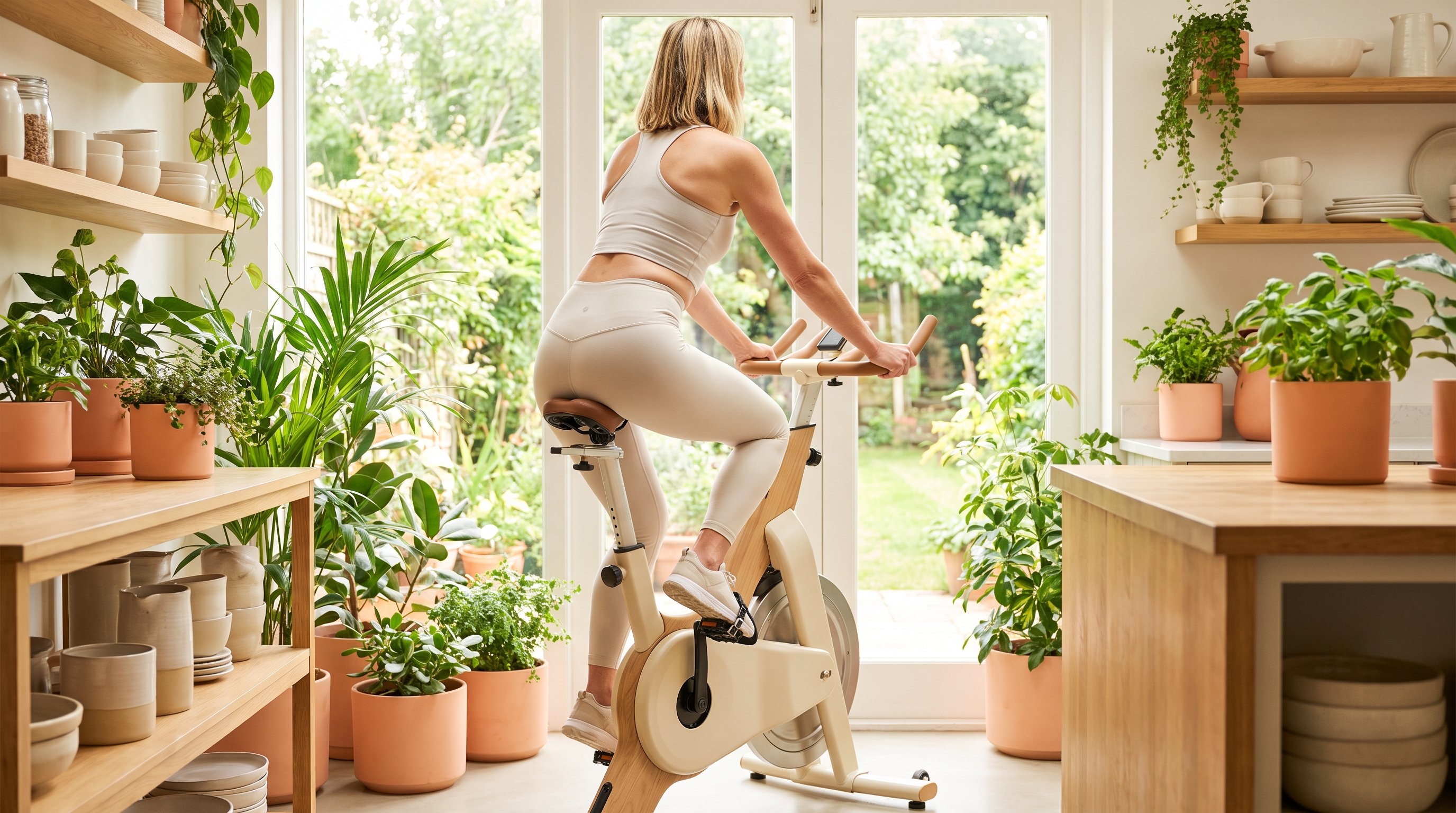
- Choose one main movement per session - walking, cycling, swimming, or a bodyweight circuit.
- Warm up for five minutes - slow marching or arm circles get blood moving before effort.
- Train for 20 to 30 minutes - enough to feel worked, not enough to dread tomorrow.
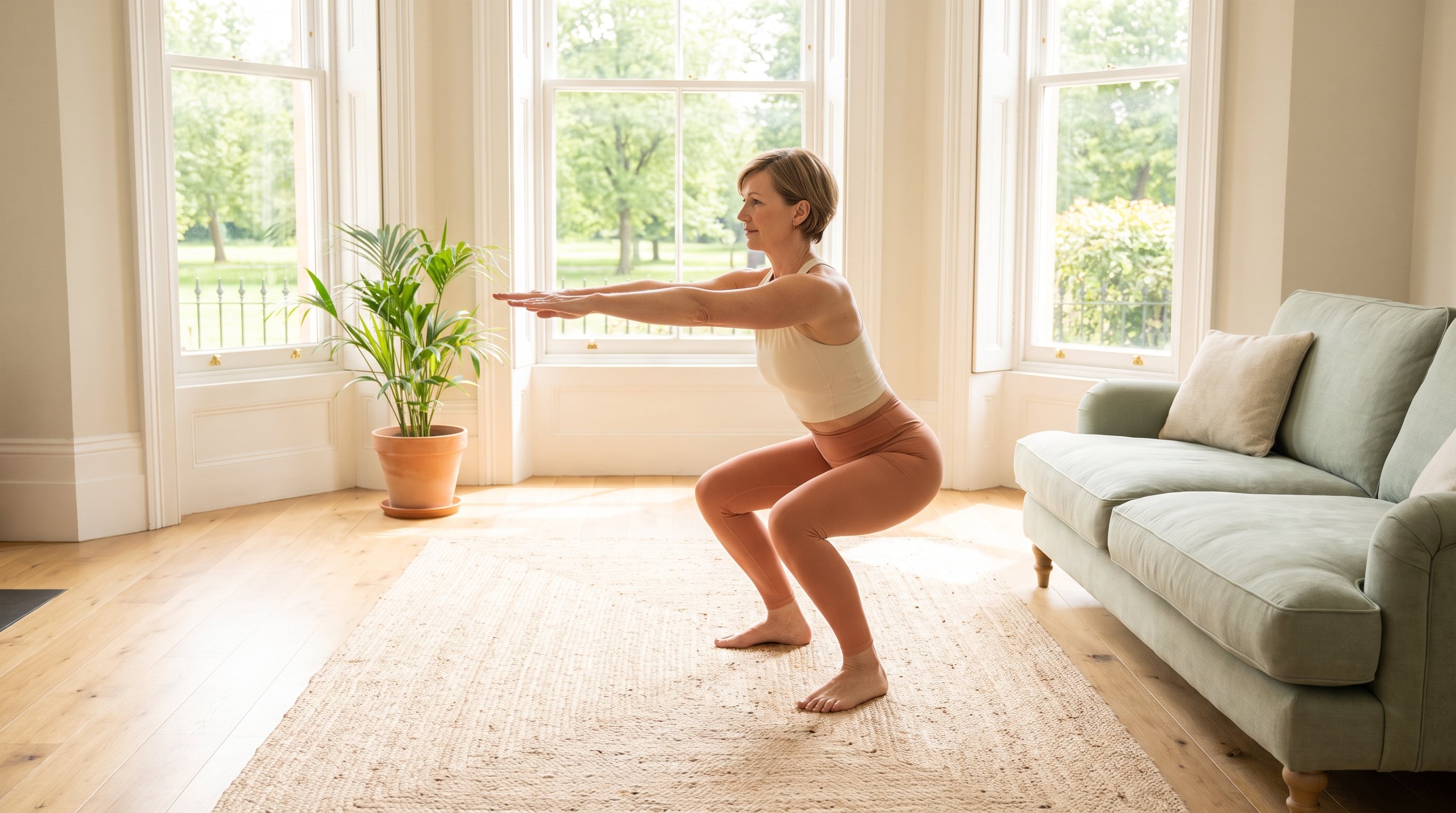
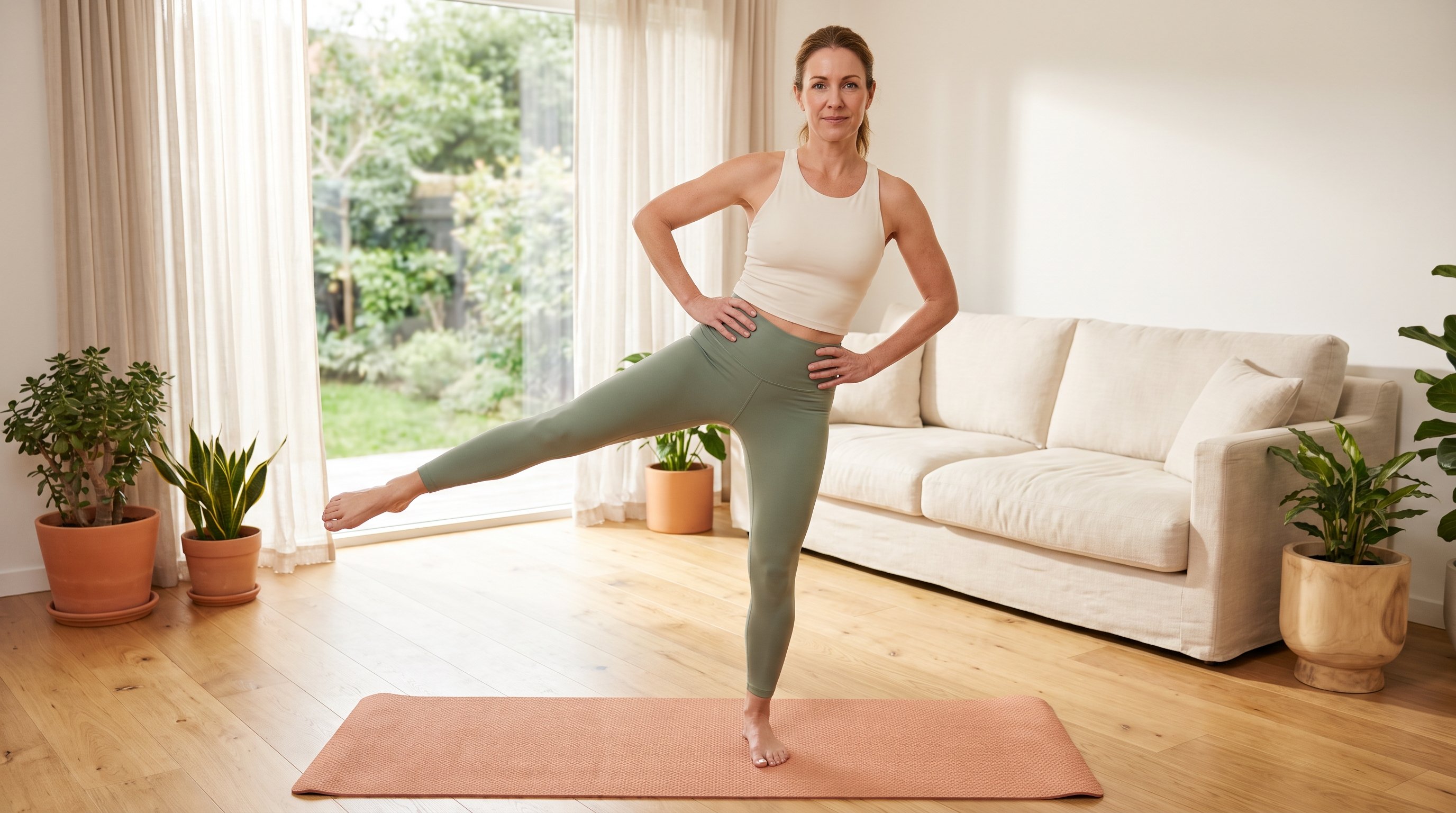
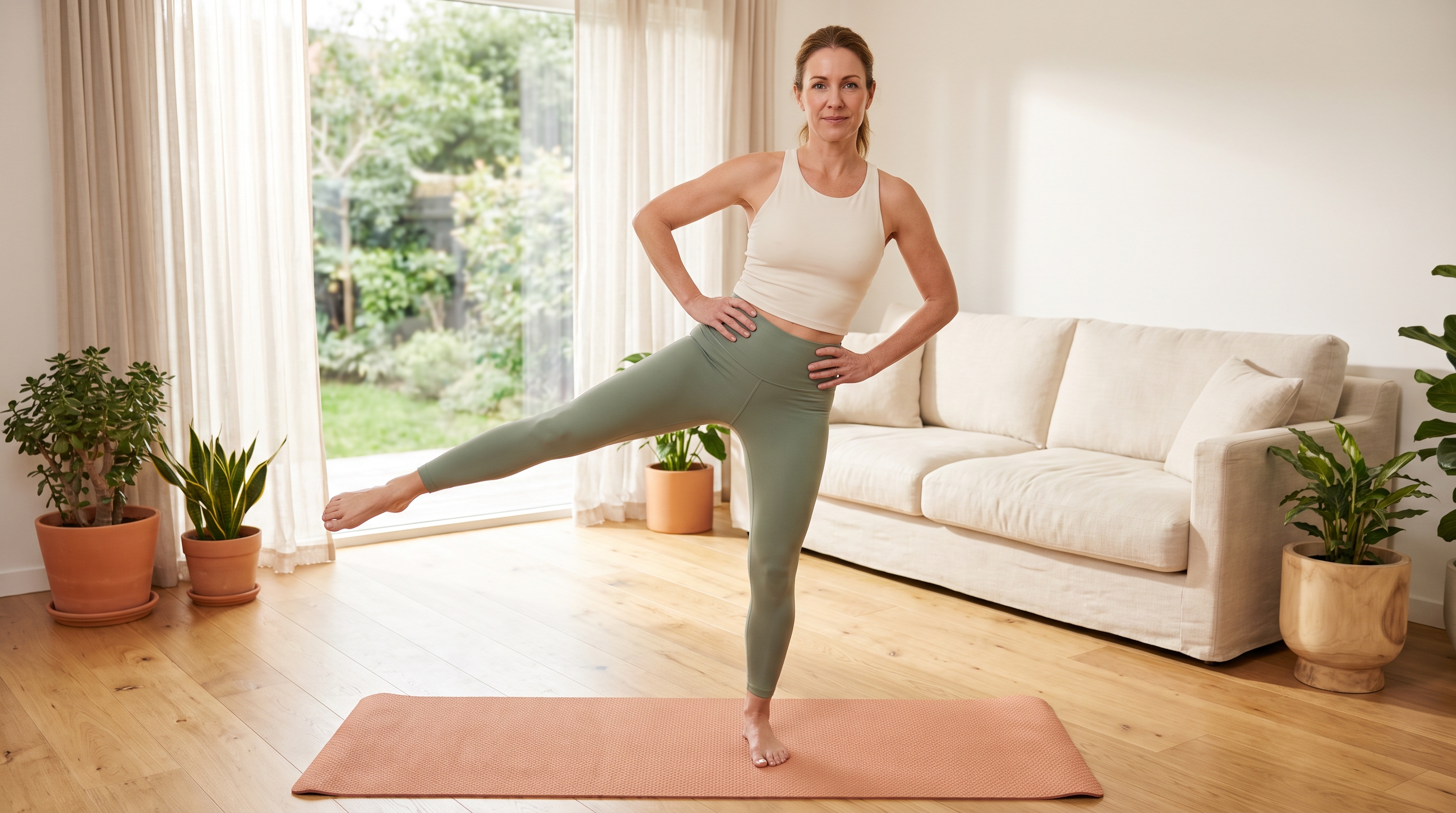
- Add one strength move - wall push-ups, chair squats, or standing leg lifts.
- Cool down and stretch - five minutes of slow breathing and gentle stretching closes the session.
- Write down what you did - a one-line note keeps you honest about what actually happened.
How Many Low Impact Sessions You Actually Need
Finding a Frequency That Sticks
Three to five sessions a week is a reasonable range for most people, with rest or very gentle movement on the days in between.

The table below gives a simple starting point by activity type, based on session length and how often it's reasonable to repeat it.
| Activity | Duration | Frequency |
|---|---|---|
| Brisk walking | 20-30 minutes | 4-5 times a week |
| Stationary cycling | 20-30 minutes | 3-4 times a week |
| Swimming laps | 20-30 minutes | 2-3 times a week |
| Bodyweight strength | 15-20 minutes | 2-3 times a week |
| Stretching or mobility | 10-15 minutes | Daily |
Making a Low Impact Routine Work Around Your Week
Real life doesn't pause for a workout plan, so the sessions that survive are the ones that slot into time you already have - a lunch break, the walk to the bus, ten minutes before the kids wake up.
Shorter, more frequent sessions tend to outlast one long weekend workout because they don't need a block of free time to happen.
This is where a bit of structure helps - the light exercises inside Liver Detox are built around guided, low impact sessions you can do at your own pace, so there's no guesswork about what to do on a given day.
Pairing that with the app's step and water trackers means the workout isn't floating on its own - it sits next to the rest of your day, which makes it easier to keep going.
A Four-Week Low Impact Starter Plan
The order below matters more than the exact numbers - each week builds on the habit of the last one rather than chasing bigger numbers for their own sake.
| Stage | Focus | What To Do |
|---|---|---|
| Week 1 | Three short sessions | Walking or cycling, 15-20 minutes |
| Week 2 | Add one strength move | Wall push-ups or chair squats |
| Week 3 | Extend session length | 20-30 minutes, four sessions |
| Week 4 | Mix two activities | Alternate walking and swimming or cycling |
When People Usually Lose Momentum
The first week or two usually feels easy because the sessions are short and the novelty is doing some of the work.
The drop-off point tends to come once the routine stops feeling new and starts feeling like admin - that's less about fitness and more about habit, and it's worth expecting rather than fearing.
There's no fixed point at which results show up, so it helps to judge progress by whether sessions are still happening, not by how your body looks in a mirror.
Mistakes That Stall a Low Impact Routine
Treating Low Impact As Low Effort
Low impact describes the stress on your joints, not how hard you work - slow this down and you lose the point; keep the effort honest while keeping the movement controlled.
Skipping the Strength Component
Walking alone is great for your heart and lungs but doesn't build much muscle - add two or three bodyweight moves a week to round things out.
Doing Too Much Too Soon
Jumping from zero sessions to daily hour-long workouts is how people get discouraged by week two - start at the lower end of the range and build up.
No Plan for Bad Weeks
Life gets busy, and a routine with no backup option collapses the first time a session gets missed - decide in advance what a five-minute version looks like so missing a day doesn't mean missing the week.
Keeping a Low Impact Habit Going With Liver Detox
A low impact workout only pays off if it keeps happening, and that's usually a question of structure rather than willpower.
Liver Detox pairs its guided low impact workouts with a customized meal plan and progress trackers, so the exercise side of things isn't something you have to plan alone from scratch every week.
The challenges feature adds small, specific goals on top of the workouts, which gives you something concrete to aim at beyond just showing up.
Fix Your Liver
Eat Clean Every Day
Sticking With Gentle Movement Long Term
The simplest next step is picking three days this week and writing down what you'll do on each one - walking, cycling, or a short bodyweight circuit.
If you want that plan laid out for you instead of building it from scratch, Liver Detox offers guided low impact sessions alongside the rest of its tracking and nutrition tools.
FAQ
Yes - bodyweight moves like squats, wall push-ups and standing leg lifts build strength through controlled resistance, not through impact. The joint stress is low but the muscle effort is real if you work close to your limit.
No - it describes how much force goes through your joints, not how hard the session is. A brisk walk or a controlled cycling session can still raise your heart rate and leave your legs tired.
Start with shorter sessions and fewer repetitions, and let comfort guide the pace rather than a fixed target. Movement that feels sustainable on a bad day is more useful than a routine that only works on a good one.
Keep sessions short enough that skipping feels like more effort than doing them, and track them somewhere visible so gaps are obvious early. Liver Detox's step and progress trackers are built for exactly this - a simple visual record that makes consistency easier to see.
Share this post