How To Meal Prep For The Week: A Simple System
By:Author:Liver Detox Editorial
Updated on:October 18, 2026
- Does Meal Prepping for the Week Actually Change Anything?
- How the Batch-Cook-And-Mix Method Works
- How Many Meals Should You Prep at Once?
- Why Batch Cooking Beats Daily From-Scratch Meals
- Fitting a Weekly Prep Routine Into a Busy Schedule
- The Myth of the Perfect Prep Sunday
- What Changes How Well Your Prep Actually Sticks
- Mistakes That Derail a Weekly Meal Prep Plan
- Making Weekly Meal Prep Easier With Liver Detox
- Turning One Prepped Week Into a Habit
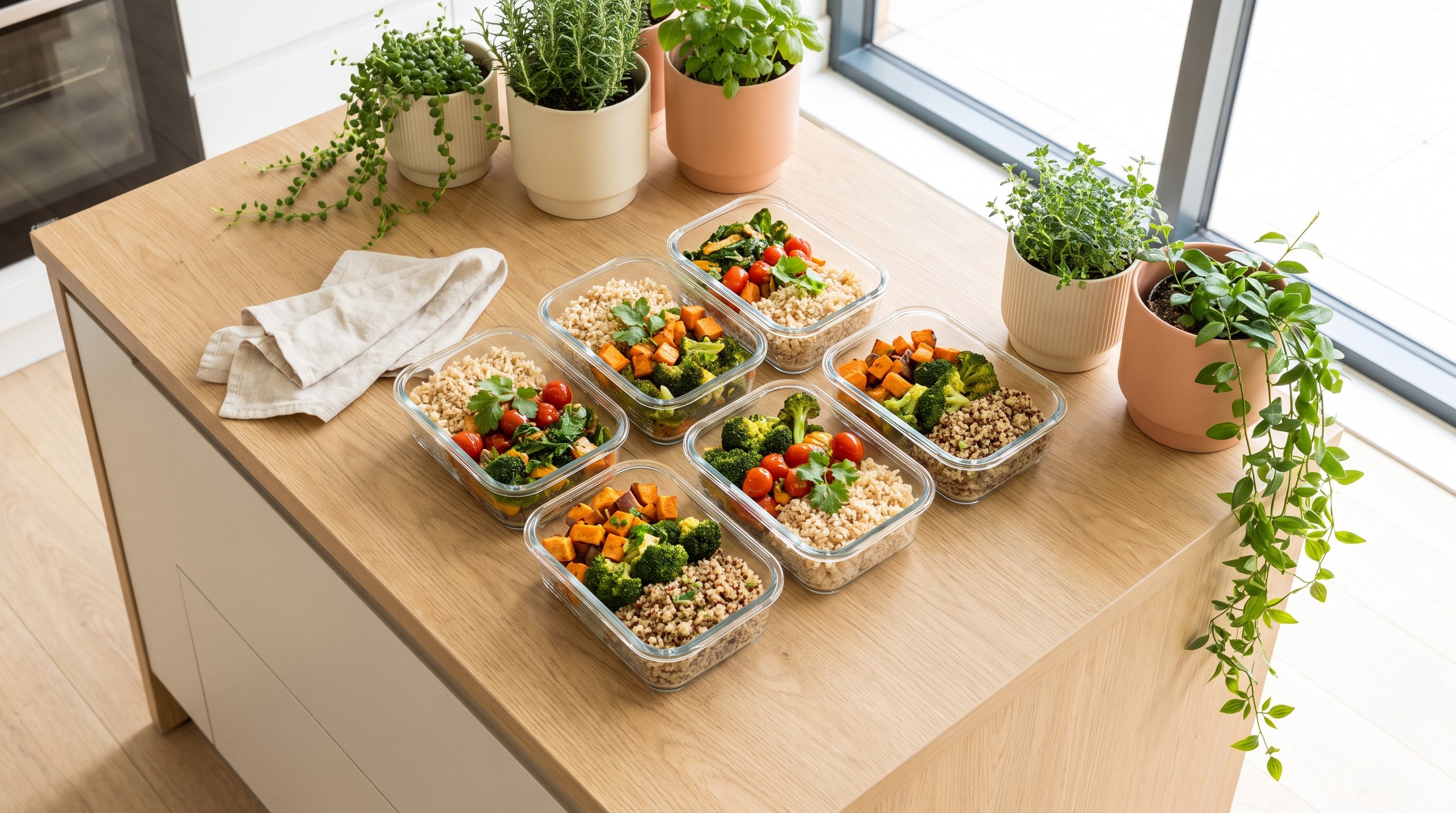
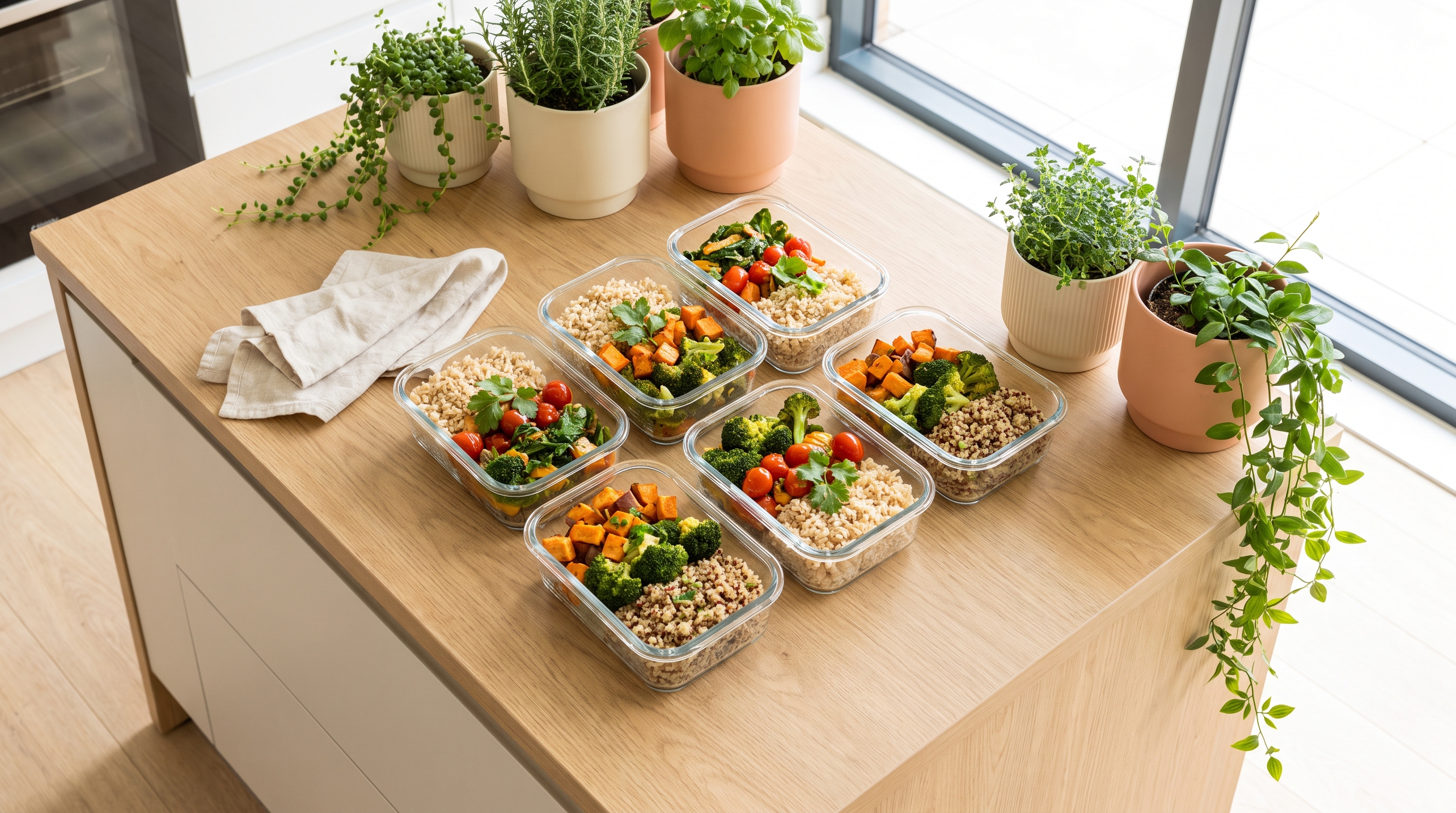
Meal prepping for the week means cooking a batch of meals or ingredients in advance so most of your decisions are already made before you're hungry. The direct answer: pick 2-3 base proteins, 2-3 carbs and a pile of vegetables, cook them once, then mix and match into meals across the week.
It works because decision fatigue is the real enemy of eating well, not willpower. When food is already cooked and visible in the fridge, the easy choice and the better choice become the same choice.
This guide walks through whether prepping actually changes outcomes, how often to do it, what to prep and how much, the mistakes that sink most attempts, and how meal planning tools can take some of the planning off your plate.
Does Meal Prepping for the Week Actually Change Anything?
Meal prep doesn't change your metabolism. It changes how many times a day you're forced to make a food decision from scratch, and that's where most diets quietly fall apart.
Think about a normal week without prep: that's 14-21 separate decisions about lunch and dinner alone, each one made at the moment you're most tired or most hungry, which is the worst possible time to choose well.
Cut that down to one planning session and a few cooking sessions, and you've replaced 14-21 moments of willpower with 2-3 moments of forward thinking.
The arithmetic is simple: fewer decision points means fewer chances to default to whatever's fastest, which is usually also the least useful option for your goals.
How the Batch-Cook-And-Mix Method Works
Cooking Once, Eating Many Times
The core mechanic is separating cooking from assembling. You cook proteins, carbs and vegetables in large batches on one or two days, then each meal during the week is just a matter of combining what's already done.
This turns dinner from a 40-minute cooking task into a 5-minute assembly task, which matters most on the days you have the least energy to cook.
Why Variety Doesn't Require More Work
Using 2-3 proteins and 2-3 carbs as building blocks gives you dozens of possible combinations without cooking dozens of separate dishes.
Three proteins times three carbs times a rotating vegetable pile is already more meal variety than most people eat in a typical week, and it comes from one cooking session, not seven.
How Many Meals Should You Prep at Once?
Starting With a Realistic Batch Size
Most people do better starting with 4-5 days of meals rather than a full seven, since fresh vegetables and cooked grains hold up best within that window.
Prepping a smaller batch mid-week as a top-up avoids the point where everything in the fridge starts tasting like leftovers.

The table below gives a starting point for a week built around two cooking sessions instead of one marathon Sunday.
| Item | Quantity | How Often |
|---|---|---|
| Proteins | 2-3 types | Cook twice weekly |
| Carbs | 2-3 types | Cook twice weekly |
| Vegetables | 4-5 portions | Prep every 3-4 days |
| Sauces or dressings | 1-2 batches | Make once weekly |
| Snacks | Portion as needed | Prep every 3-4 days |
Why Batch Cooking Beats Daily From-Scratch Meals
Cooking a fresh meal from scratch every single day sounds appealing in theory, but it depends on having energy, time and motivation at the exact moment you're hungry, every day, without fail.
Batch cooking asks for that same energy and motivation just once or twice a week instead of seven times, which is a far easier bar to clear.
The meal itself doesn't need to be more impressive to work better, it just needs to still exist in the fridge on a Wednesday when you're exhausted.
That's the whole adherence argument: the plan that survives a bad day beats the plan that only works on good days.
Fitting a Weekly Prep Routine Into a Busy Schedule
A realistic prep routine doesn't need a free Sunday afternoon, it needs one hour and a short list of what you're actually going to eat.
Pick the one or two days you already have a bit more time, even if that's just an hour after work, and build the week's cooking around that window instead of forcing a big dedicated session.
A meal plan built around food you already like makes this whole process faster, because you're not inventing new recipes every week, just repeating ones that work.
This is where meal planning features fit in: they remove the blank-page problem by giving you a structure to prep around instead of starting from nothing each week.
The Myth of the Perfect Prep Sunday
There's an idea that proper meal prep means an entire Sunday, matching containers, and seven identical meals lined up like a magazine photo.
That version is not required, and for most people it's also not sustainable, because one bad Sunday wipes out the whole week's food plan.
The real answer is smaller and less photogenic: a couple of cooking sessions, some repeated ingredients, and meals that don't all have to look the same.
Consistency across weeks matters more than perfection in any single week, and a looser system is the one more likely to still be running a month from now.
What Changes How Well Your Prep Actually Sticks
Three things separate a prep routine that lasts from one that fizzles out after a couple of weeks.
The Factors That Matter Most
- Meal variety built in from the start - repeating the exact same bowl every day is the fastest route to quitting, so rotate proteins, carbs and sauces even within one batch.
- Realistic portion sizes, not guesswork - over-prepping leads to waste and under-prepping leads to a mid-week scramble, so track what you actually eat for a week before locking in quantities.
- Storage that keeps food appealing - food that looks sad in a container gets skipped, so separate wet and dry ingredients and keep sauces on the side until serving.
Mistakes That Derail a Weekly Meal Prep Plan
Prepping Food You Don't Actually Like
Cooking something because it's a popular prep recipe, not because you enjoy eating it, guarantees it sits in the fridge untouched.
Build the week around meals you'd choose anyway, just assembled in advance.
Prepping Every Meal of Every Day at Once
Trying to prep breakfast, lunch, dinner and snacks for seven days in one session usually burns people out before the pots are even washed.
Start with just lunches or just dinners, then expand once that smaller habit is solid.

Ignoring How Ingredients Actually Hold Up
Some vegetables go soggy, some sauces separate, and some grains dry out after a few days in the fridge.
Prep the sturdier items for the full week and save delicate ones, like leafy greens, for a mid-week top-up.
Treating Prep Day As All-Or-Nothing
Skipping the whole routine because you missed your usual prep day is a common reason people abandon it entirely.
A half-prepped week, with two or three meals sorted instead of none, is still progress over starting from zero every single day.
Making Weekly Meal Prep Easier With Liver Detox
Liver Detox was built around the idea that the plan should fit the person, not the other way round.
Instead of guessing what to prep, Liver Detox's customized meal plan gives you a starting structure built around food you already like, so your cooking sessions have a clear target instead of an open-ended list of possibilities.
Pair that with the progress trackers for water, weight and steps, and the weekly challenges that nudge small habit changes, and prepping becomes one piece of a wider routine rather than an isolated chore.
Fix Your Liver
Eat Clean Every Day
Turning One Prepped Week Into a Habit
The first week of prepping is the hardest because you're still figuring out portion sizes, storage and which recipes actually survive a few days in the fridge.
Pick one meal of the day to prep this week, nothing more, and let the routine prove itself before expanding it.
A customized meal plan can sit alongside that first attempt, offering a structure to prep around so the only real decision left is when to turn on the oven.
FAQ
It helps indirectly by making consistent food choices easier to maintain across a busy week. No single prepped meal changes outcomes, but removing dozens of daily decisions makes it simpler to stick with a plan over time.
Only if you prep that way. Using a small rotation of proteins, carbs and sauces gives real variety from one cooking session, without needing a new recipe every day.
Skip the idea of one giant session entirely and prep in two shorter sittings instead, or start with just one meal type, like lunches. Even a partial prep routine removes decision points compared with starting from zero each day.
Liver Detox gives you a customized meal plan to prep around, so you're assembling from a structure instead of inventing recipes from scratch every week. It pairs that with trackers and challenges, so prepping becomes part of a wider weekly routine rather than a standalone task.
Share this post