Exercises For Longevity: A Simple Weekly Approach
By:Author:Liver Detox Editorial
Updated on:October 19, 2026

- What a Longevity-Focused Week Actually Looks Like
- How Often You Need to Move for It to Count
- Why Gentle Consistency Beats Chasing Intensity
- Making Longevity Exercise Work Around a Full Calendar
- Who This Approach Suits and How to Adjust It
- When People Typically Give Up on the Routine
- Building a Longevity Routine With Liver Detox
- Starting This Week's Longevity Routine Today
Exercises for longevity are not about one perfect workout. They're a mix of walking, strength work, balance practice and mobility, spread across most days, done at an intensity you can keep up for years.
The mechanism is simple: muscle, bone and balance all respond to regular light stress by maintaining themselves rather than declining. Skip the stress for long enough and the body has no reason to hold onto strength it isn't using.
This article covers what a realistic week looks like, how much movement actually counts, why the easier version beats the intense one over time, and how to fit it around a real schedule.
What a Longevity-Focused Week Actually Looks Like
A week built for longevity mixes movement types instead of repeating the same session. Here's one version that covers strength, balance, cardio and recovery without needing a gym membership.
Sample Weekly Routine
- Monday - brisk walk for 30 minutes plus a short bodyweight strength circuit
- Tuesday - gentle mobility and stretching, 15 to 20 minutes
- Wednesday - bodyweight strength circuit: squats, wall push-ups, step-ups
- Thursday - brisk walk for 30 minutes
- Friday - balance practice: single-leg stands, heel-to-toe walking
- Saturday - longer walk or light hike, 40 to 60 minutes
- Sunday - rest or gentle stretching
None of these sessions need equipment, and most can be done in a living room or on a local street.
How Often You Need to Move for It to Count
A Simple Frequency Target
Aim for movement most days of the week, split across walking, strength and balance work rather than one long session.
| Movement Type | How Often | Duration |
|---|---|---|
| Walking | 4 to 5 times a week | 20 to 40 minutes |
| Strength circuit | 2 to 3 times a week | 15 to 20 minutes |
| Balance practice | 2 to 3 times a week | 5 to 10 minutes |
| Mobility or stretching | Most days | 10 to 15 minutes |
Add these up and most weeks land somewhere around two to three hours of total movement, spread out rather than crammed into one session.
Why Gentle Consistency Beats Chasing Intensity
Set against this approach is the high-intensity route: punishing circuit training, long runs, or heavy lifting sessions aimed at fast results.
The intense version burns out quickly because it's hard to recover from and easy to dread. Once dread shows up, sessions get skipped, and a skipped routine does nothing for longevity at all.
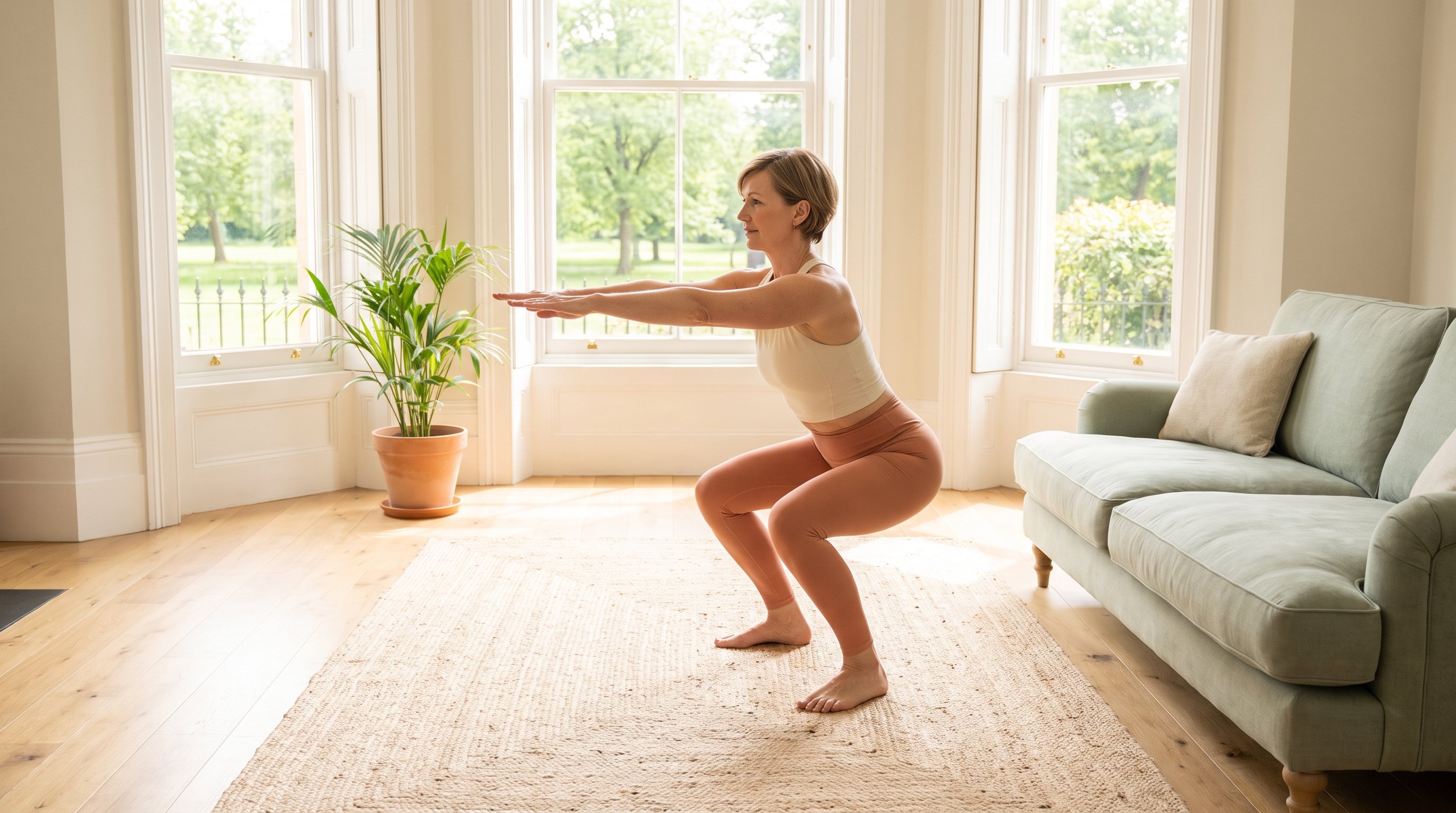
The gentle, repeatable version wins simply because it keeps happening. A 30-minute walk done four times a week for years outperforms a brutal workout done twice before it gets abandoned.
Making Longevity Exercise Work Around a Full Calendar
Most weeks are already full, so the routine has to bend around work, family and errands rather than demand a separate block of free time.
Short sessions help here: a 15-minute strength circuit before breakfast, a walk during a lunch break, balance practice while the kettle boils.
Liver Detox fits into this kind of week because its light exercises are guided, low-impact and built to be done in short bursts rather than requiring a dedicated hour.
Pairing that with its trackers for steps and water makes it easier to see the small sessions adding up, which matters more for longevity than any single big effort.
Who This Approach Suits and How to Adjust It
Starting From Scratch
Someone new to regular movement should start with walking and basic balance work before adding strength circuits. Two or three short sessions a week is a reasonable starting point, built up gradually from there.
Juggling a Busy Schedule
A packed week suits short, split sessions over one long workout. Ten minutes in the morning and ten in the evening still count toward the weekly total.

Older Adults
Balance and strength work matter more here, since both tend to decline faster without regular use. Lower-impact versions of each move, like holding a chair during balance practice, keep the routine accessible without losing its value.
Returning After a Break
Anyone coming back after time off should treat the first couple of weeks as a reintroduction, not a comeback. Shorter sessions at an easier pace rebuild the habit without the early soreness that often causes people to quit again.
When People Typically Give Up on the Routine
The early weeks are the riskiest point, mostly because results aren't visible yet and the new habit hasn't settled into the week.
Motivation naturally dips once the initial novelty wears off, before the routine has become automatic enough to run on habit instead of willpower.
Expect this dip rather than treating it as failure. It passes for most people once the sessions stop needing conscious effort to start.
Building a Longevity Routine With Liver Detox
Putting a longevity routine together from scratch means figuring out what to do, how often, and how to track it, which is a lot of decisions before the first session even starts.
Liver Detox removes most of that guesswork with guided light exercises, a tailored nutrition plan, and progress trackers for steps, weight and water all kept in one place.
Its challenges feature also helps turn single sessions into a pattern, which is the part that actually matters for anything aimed at long-term health rather than a quick change.

Fix Your Liver
Eat Clean Every Day
Starting This Week's Longevity Routine Today
The simplest way to begin is with one walk and one short strength circuit this week, nothing more ambitious than that.
Liver Detox can sit alongside that first step, giving the walk and the circuit somewhere to live alongside a wider plan built around food and rest as well as movement.
FAQ
Regular movement keeps muscle, bone and balance working the way they're meant to, which is the mechanism behind most longevity advice. The effect builds over time rather than showing up after a single week or month.
Walking is easy to sustain, which is exactly why it works better than a punishing routine most people quit within weeks. Combined with light strength and balance work, it covers the main areas that tend to decline without regular use.
Short sessions split across the day count just as much as one long block, so ten minutes here and there still adds up. The weekly total matters more than how it's divided.
Picking it back up at an easier pace works better than trying to make up for lost time all at once. Liver Detox's tracker and challenges can help spot the gap early and make restarting feel less like starting over.
Share this post